
Every Story Counts
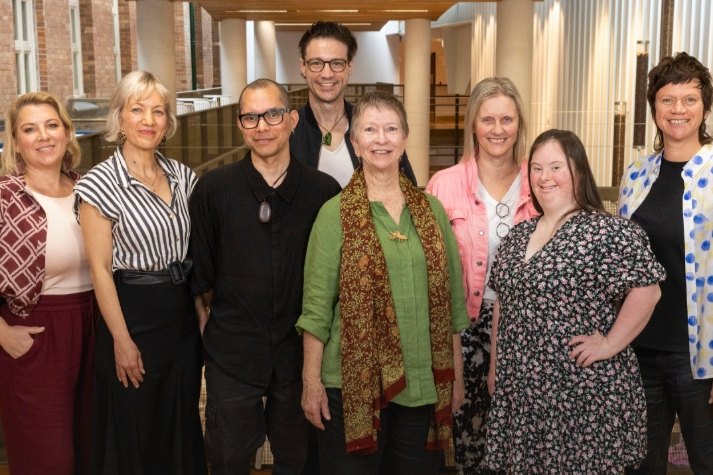
A Society in Rehearsal goes to Brisbane
We began, as we often do, with meditation. Then we talked about relationships, time, different ways of thinking and communicating, access as creative infrastructure, lived experience as expertise, and what happens when people who have traditionally been designed around become the designers.

Looking Up: What the Stars Remember on the North West Coast
From 14 to 19 August 2026, a small Second Echo Ensemble team travelled up the North West Coast of Lutruwita/Tasmania spend six days exploring for the next stage of What the Stars Remember.
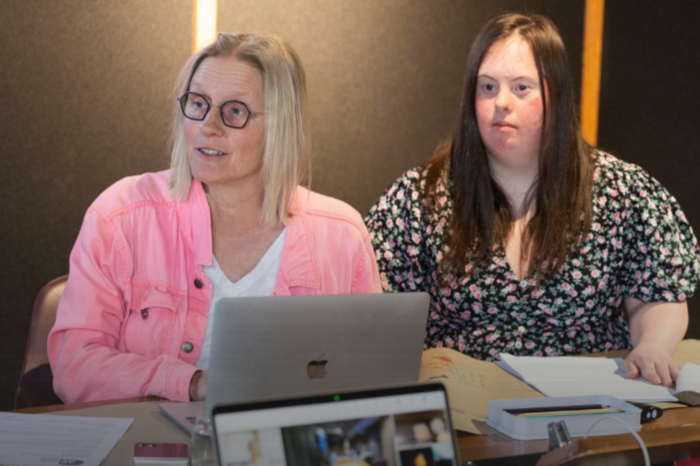
Interview: SEE joins ADNA
Sarah-Mace Dennis, National Director Arts and Disability Network Australia and Kelly Drummond Cawthon, Creative Director Second Echo Ensemble discuss the announcement with ABC Radio Hobart Evenings Program.
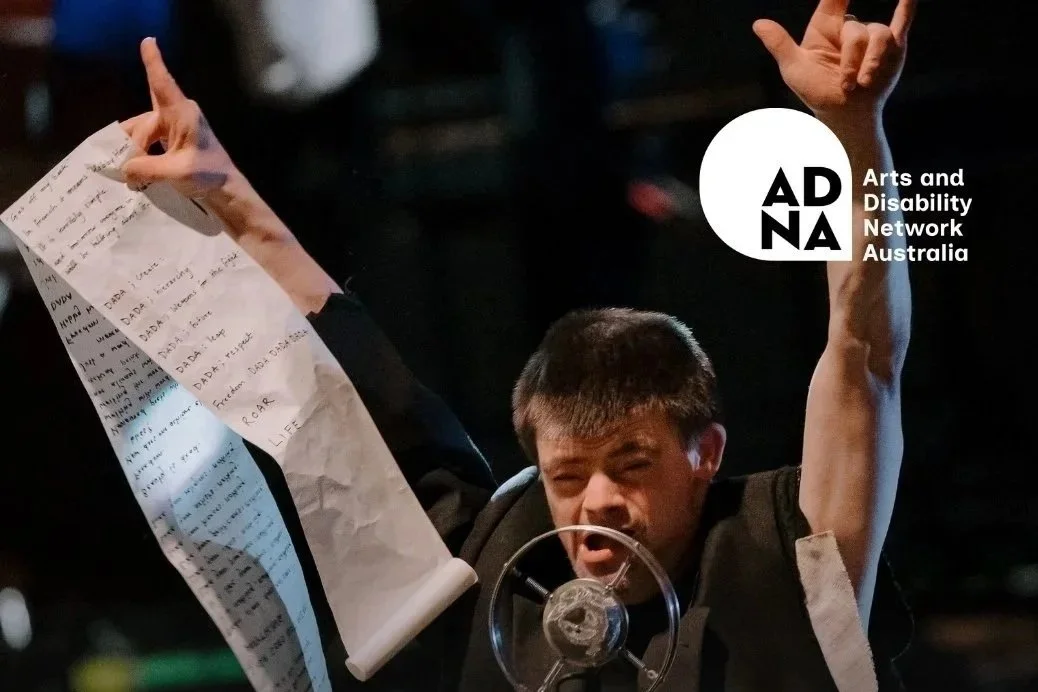
Tasmania’s Second Echo Ensemble joins Arts and Disability Network Australia
Tasmania’s Second Echo Ensemble joins Arts and Disability Network Australia to shape the future of Australian arts and disability culture.

The work is alive and continues
Elise Romaszko and Julia Drouhin arrived at Chamber Made’s Orange House Residency with a work already full of memory, sound and questions.

The Future of Cultural Policy Lies Beyond the Pillars
Creative Director Kelly Drummond Cawthon shares her response regarding the future of the Australian Cultural Policy, calling for a shift from rigid systems and sector silos towards interconnected creative ecosystems. Drawing on regional, disability-led and community practice, she argues that culture is not simply an industry, but a way of understanding, imagining and shaping the world.

Beyond Inclusion: A Vision for Cultural Leadership
Second Echo Ensemble artist Elise Romaszko shares her response to the National Cultural Policy consultation, calling for a shift beyond inclusion towards genuine cultural leadership. Her submission explores access, regional practice, community-led art and the role disabled artists play in shaping Australia's creative future.

Second Echo Ensemble New National Cultural Policy Response 2026
Second Echo Ensemble’s submission to the National Cultural Policy consultation argues that the future of Australian culture depends on more than inclusion. Drawing on over twenty years of disability-led and regional arts practice, the response calls for investment in access, workforce development, community-led practice and cultural systems that recognise artists as leaders and authors of change.

From Barriers to Belonging: Building an artistically inclusive Tasmania
Over the past 15 months, Building an Artistically Inclusive Tasmania has worked to strengthen disability equity across Tasmania’s arts and cultural sector. Led by Access Consultant Morwenna Collett, the initiative has centred disabled artists and arts workers as leaders, supporting organisations to move beyond compliance and embed access as a creative and cultural practice.
The following extract from this article was written by Convener and Access Consultant Morwenna Collett, 20 February 2026. Second Echo Ensemble presented a performance and movement workshop.

The Conversation Missing from Revive
When Second Echo Ensemble’s artist Elise Romaszko and creative director Kelly Drummond Cawthon returned from Canberra after a national consultation, around equity and the future of Revive, they reflected on the experience and what it means for disabled artists and arts workers.

What is Radical Equity?
What does Radical Equity actually look like? Second Echo Ensemble’s General Manager, Jude Abell describes SEE’s purpose as both an insider and an outsider.

The Ecosystem of the Arts: Connection and Transformation
Right now, our film Relâche – The Last Dance on Earth is screening at the Liminal Dance Festival in Washington, D.C., placing a disability-led Tasmanian work on an international stage. There’s a myth in the arts that progress is a ladder, a hierarchy to when people should be given opportunities based on assumed experience or time served. Emerging to mid-career to established. But a practicing artist or arts worker knows the process doesn’t move in a single trajectory or skill set. It connects us.

Letting art speak for itself
Second Echo Ensemble members have proved themselves to be dedicated to experimenting with, well, just about anything involved with the arts.
This article was written by Andrew Harper, Visual Art and originally published in the Tas Weekend 4-5 April 2026.

Hidden artists let art speak
By Amber Wilson, The Mercury, 29 March 2026, pg 9. Anonymity is taking centre stage in a new Hobart exhibition where the artists' identities are hidden and the art must speak for itself.

Australia’s arts and disability movement is gaining new momentum
The National Director of Arts and Disability Network Australia says there will be no more decisions about us without us.
Article by Sarah-Mace Dennis, Arts Hub

The Work Beneath the Work
After a milestone year, SEE is taking the time to listen, breathe, and let the next works emerge through care and conversation. 2026 is about the foundations - the artist development, partnerships, and slow-built trust that shape everything we create. Here’s what’s growing next.

Getting to know Grief: The first residency
Tilley, musician and artist used the used the residency to work on the development for a future touring, collaborative show, creating a space for people to be with grief in community, guided by music and art. To gather material for the project, she invited ten artists and community members in to share about their experiences of grief in conversation.

Because We Can: Every Story Belongs
At Second Echo Ensemble, art isn’t just what we make, it’s how we live. Creative Director Kelly Drummond Cawthon reflects on visibility, courage and belonging, why representation on stage matters, and how radical equity is built through shared creativity. Because when every artist can take the stage, every story counts.

It’s Hugely Important to Support Independent Artistry
Ursula Woods shares why it’s hugely important to support independent artistry. She reflects on how dedicated space, time, and resources enable artists to take creative risks, build new work, and contribute to a thriving arts community.

Keeping Artists on the Floor: Why it Matters
Nicole Simms-Farrow reflects on why it matters to keep artists on the floor at Second Echo Ensemble. From collaboration to bold new ideas, she shares how time in the studio gives artists the chance to experiment, connect, and create work that pushes boundaries.