
The Eternal River
Donate today and help us make
An Opera by Second Echo Ensemble in collaboration with the Palawa Community of Lutruwita/Tasmania

Every person deserves the opportunity to share who they are through art.
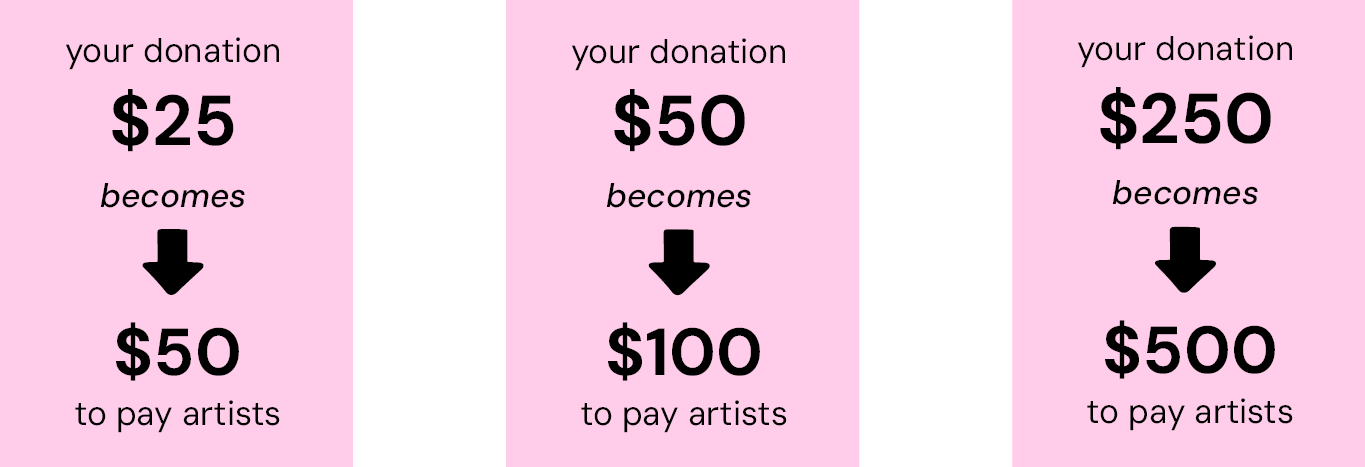
Your donation pays artists for their time, expertise and creations, while also giving every artist the support they need to create their best work.
From today, every dollar you donate to Second Echo Ensemble will be matched by Creative Australia, up to $5000!
No Apple Pay? No credit card? No Problem.
Donations can be made via direct deposit using the following details:
Second Echo Ensemble Public Fund
BSB: 313 140
ACC: 12247928
Please include an email address in the reference section so we can send you a tax donation receipt.
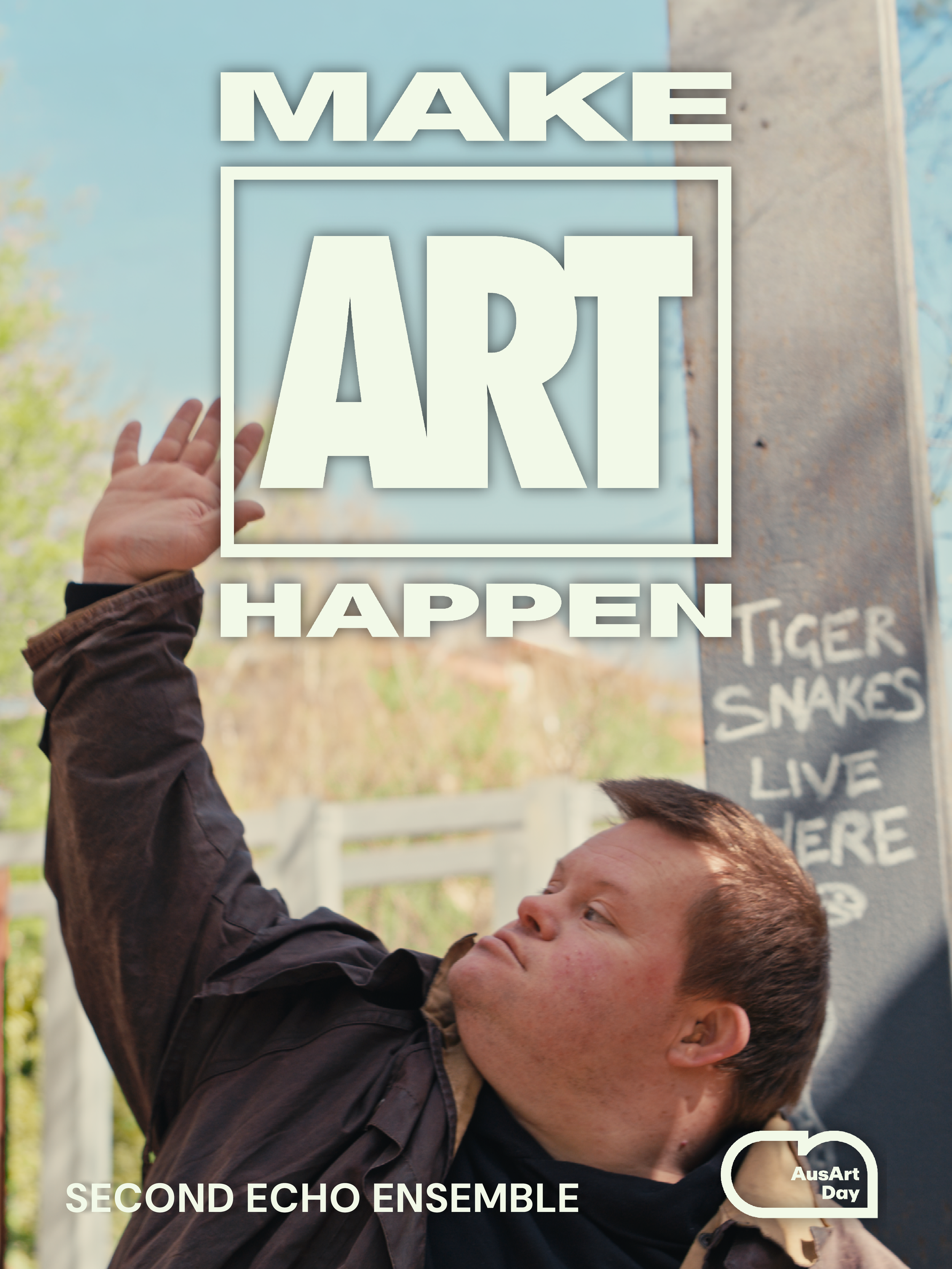
Giving to Second Echo Ensemble is an opportunity to invest in local culture, increase representation through art and create professional opportunities for Tasmanian artists.
Thank you!
Help us unlock $5,000 in matched funding from Creative Australia.
Fundraising total updated periodically.
What can opera become when the voices traditionally left at the edges of the artform are invited into its creation?
Kelly Drummond Cawthon, Creative Director of SEE, Maria Lurighi, Coordinator for Voice at The Hedberg University of Tasmania and Sinsa Mansell, Trawoolaway Artist, Choreographer, Producer and Cultural Leader, discuss the intention behind The Eternal River.
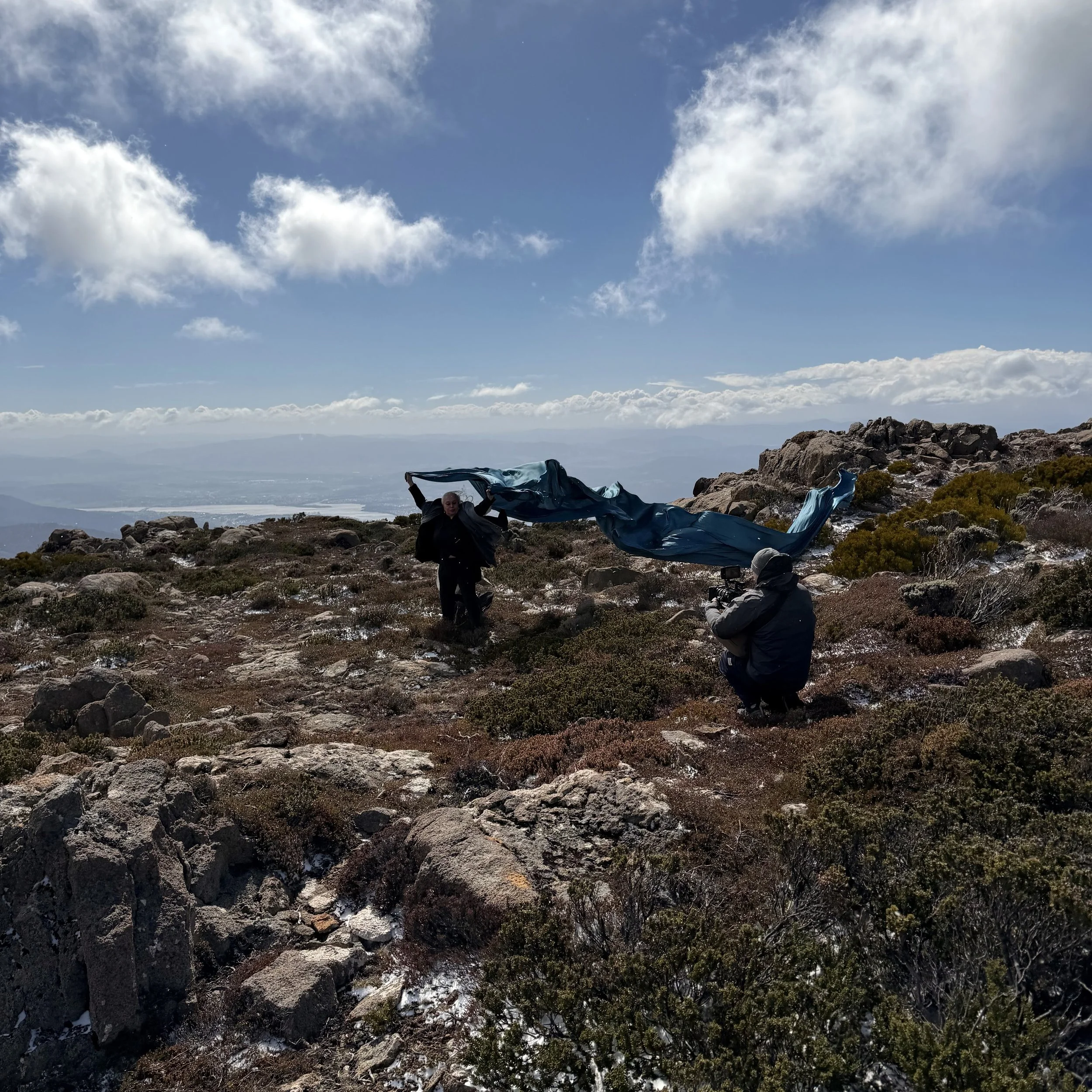
Local videographer, Thomas J Wood helps us document the intention of The Eternal River, filming Maria Lurighi standing on top of Kunyani, Nipaluna/Hobart.
Why Opera?
Opera is often considered elitist, exclusive and inaccessible. But at its essence, it’s a collaborative artform designed to share stories about everyday human emotion.
There are rules and traditions about which voice is allowed to sing which story and even today, the most popular operas being performed were created by a select few composers from the same part of the world written in the 18th and 19th century.
Our opera will reimagine three timeless arias originally written by iconic Italian composer, Giacomo Puccini, through the stories and bodies of our Ensemble, claiming space in a form that was never built for us.
Why Pucinni?
We were drawn to a particular opera by Puccini, called Il Trittico, because not only is it a dramatic and diverse work exploring universal feelings and emotions, it contains three iconic arias involving water.
Why Water?
Nipaluna/Hobart is a city shaped by water, built around, across and over its waterways. Water descends from Kunanyi, travels through neighbourhoods and along the Rivulet, disappears beneath the central city, then emerges at Constitution Dock as Timtumili Minanya/River Derwent.
What The Eternal River?
While writing Il Trittico, Puccini included an aria addressed directly to the river. After its premiere performance, this aria was cut and replaced.
That discarded aria became the catalyst to create The Eternal River.
More than a century later, Second Echo Ensemble begin in the silence Puccini left behind. Through a Palawa led commissioning process, artists will develop a new fourth aria in palawa kani, asking what happens when the river moves from being witnessed and addressed towards revealing that it has a voice of its own.
We have incredible voices, incredible artists and a collaborative approach to making art that is perfect
for opera.
— Kelly Drummond Cawthon, Creative Director
The Voices
SECOND ECHO ENSEMBLE
Second Echo Ensemble is an integrated contemporary arts ensemble creating accessible creative pathways for disabled, neurodivergent and regional artists through studio practice, mentoring, public presentation and paid creative work.
At the heart of Second Echo Ensemble are the artists who make and perform the work. Some live with disabilities, and some do not. Our work is not simply about access or equality. We are about new ways of thinking and creating.
PALAWA COMMUNITY FOR LUTRUWITA/TASMANIA
We will engage a Palawa artist to write a new piece of music for The Eternal River, written in palawa kani.
Layna/water is sacred, and there is no better person or representation to be able to speak to that sacredness other than my community and the culture that’s lived here and thrived since the beginning of time.
There is no better company than Second Echo Ensemble in which to work with my community, to be able to piece together a representation of voice for Country.
— Sinsa Mansell, Trawoolaway Artist, Choreographer, Producer and Cultural
Every person deserves the opportunity to share who they are through art.
This project has been assisted by the Australian Government through Creative Australia, its principal arts investment and advisory body.