
Blue Genes
Wear the change
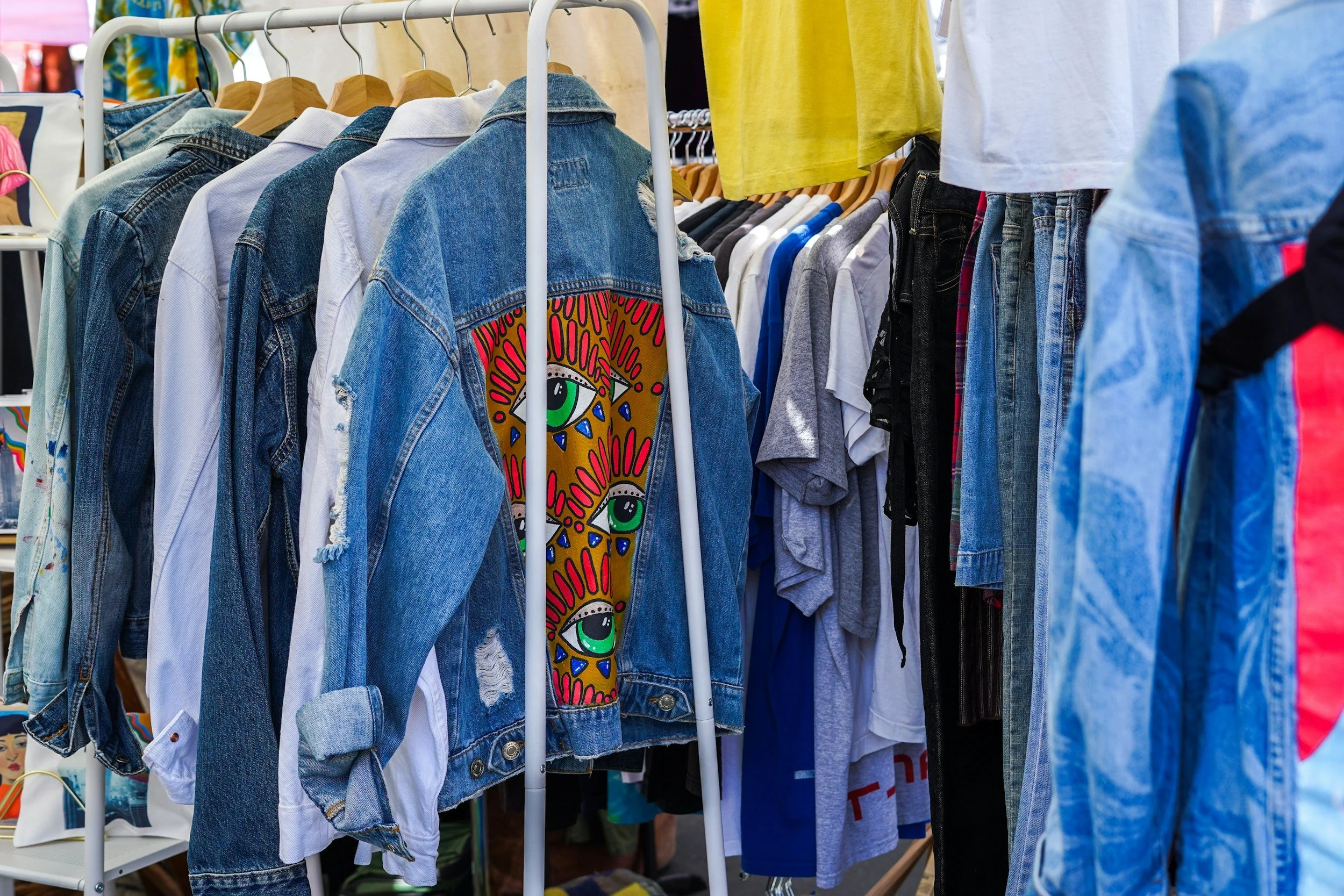
Blue Genes is Second Echo Ensemble’s wearable art initiative turning textile waste into one of a kind fashion. Discarded denim, headed for landfill, is transformed into hand painted, artist designed works you can wear. Every piece is custom fit, sustainably made, and unapologetically expressive.
This is slow fashion with backbone. Blue Genes reduces waste, supports inclusive employment, and celebrates neurodivergent creativity.
Each commission comes with a pair of curated odd socks, a playful nod to the chromosome shaped symbol of Down syndrome pride and a reminder that difference is not something to fix. It is something to flaunt.
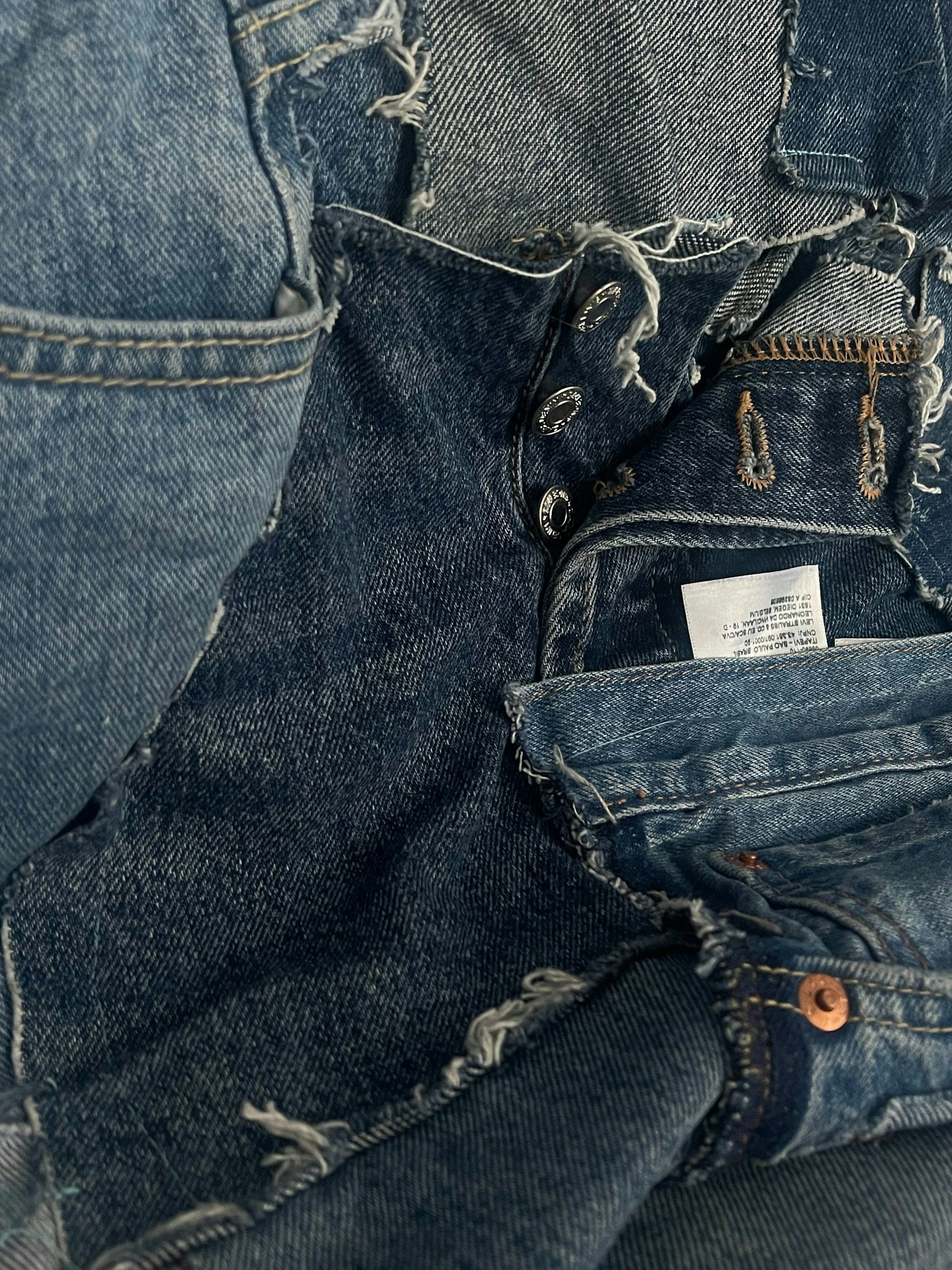
Old jeans become new stories. Jackets, jeans, and double denim dreams are reworked with care, colour, and rebellious joy. No copies. No fast fashion. Just you.
Blue Genes is both personal and political. It is wearable art that makes visible what inclusive, artist-led practice can look like when sustainability and creativity are treated as inseparable.
How it Works
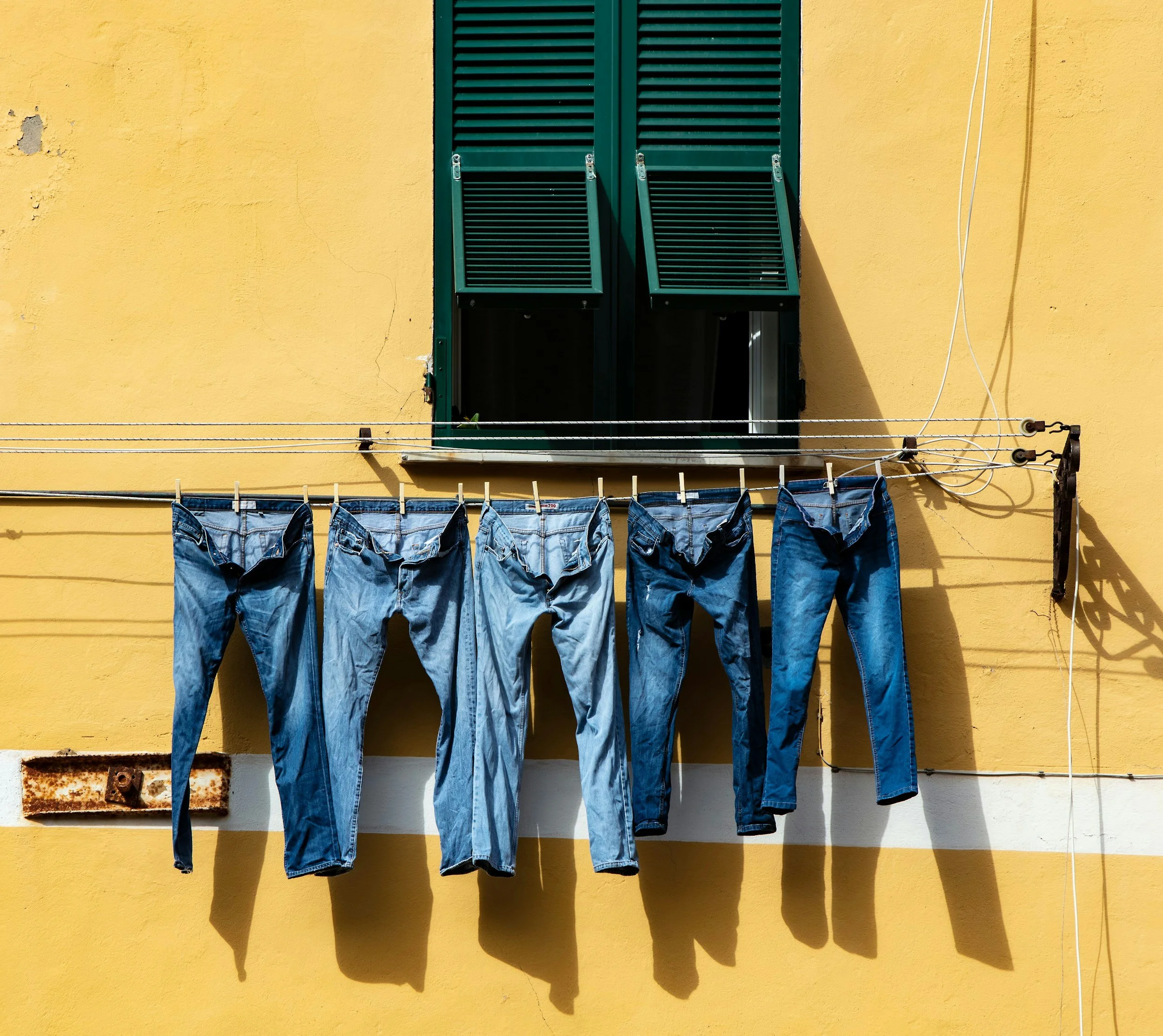
Blue Genes garments are created using donated or recovered denim. Each piece is individually designed and custom fitted, responding to the wearer’s body, style, and story. No templates. No repeats. No copies.
The process is collaborative and slow, prioritising artistic excellence, material reuse, and ethical production. What emerges is not a product line but a growing collection of singular works, each carrying its own history and future.
Why Denim?
Denim is one of the most common and environmentally costly textiles in the global fashion industry.
In Australia alone, more than 200,000 tonnes of clothing enter landfill each year.
Blue Genes treats denim as both problem and possibility, asking how waste materials can be reimagined as valuable cultural objects rather than disposable goods.
Lead Artist
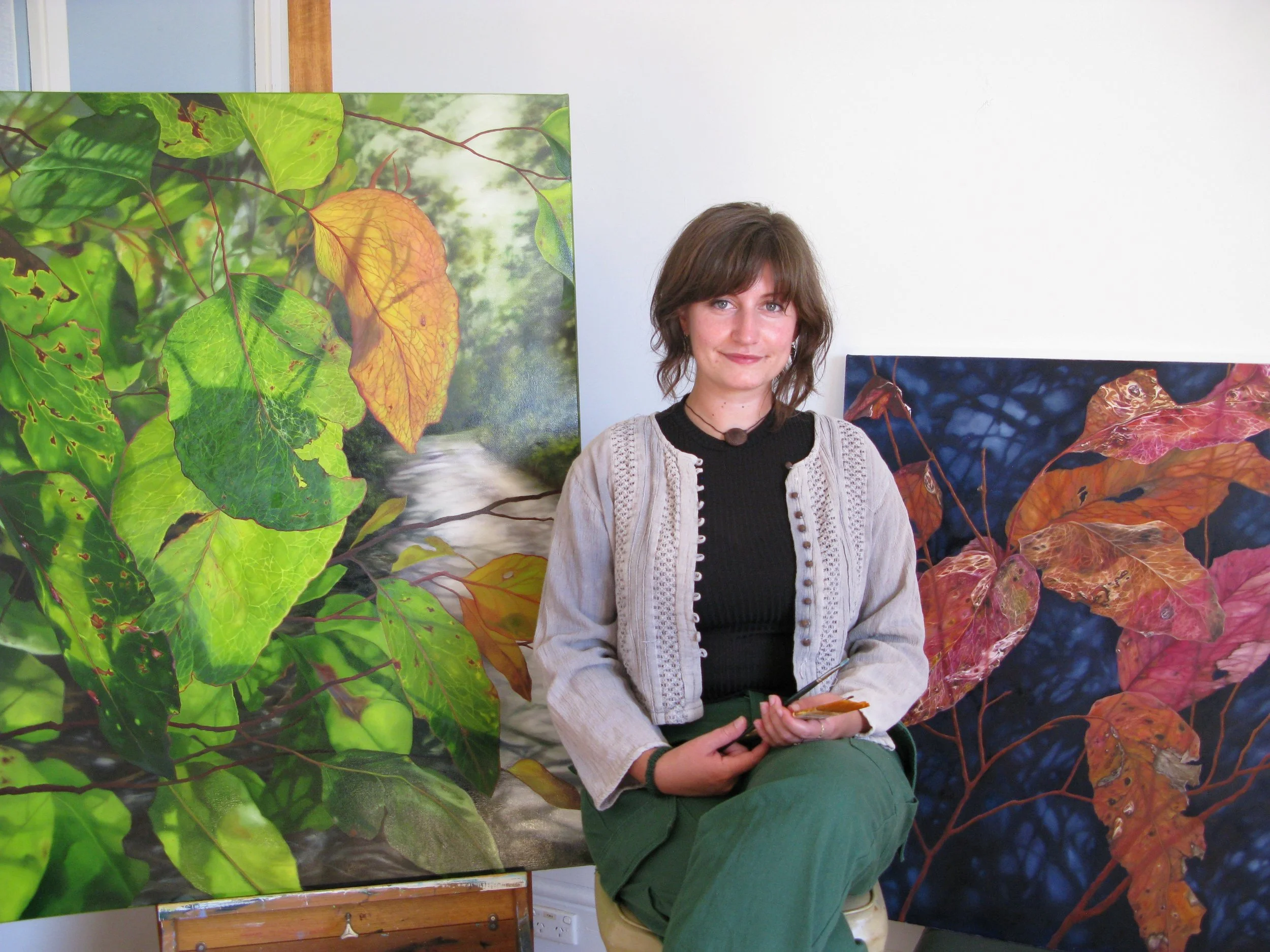
Maggie May Jeffries
Maggie Jeffries is a Tasmanian visual artist whose practice explores material memory, repair and care. Working across painting and textile-based processes, her work is driven by an interest in surfaces that hold history and objects shaped by human use.
For Blue Genes, Maggie approaches denim as both canvas and archive. Wear, fading, and imperfection are not erased but activated, allowing each garment to retain its past while taking on a new form. Her practice aligns sustainability with beauty and process with dignity, making Blue Genes as much about how something is made as what it becomes.
Status
Blue Genes is in active development, with commissions, partnerships, and exhibition pathways unfolding toward 2027.
Follow along as old jeans find new lives, and fashion remembers how to mean something again.
Follow the journey
Interested in a commission, collaboration, or sponsorship?
Get in touch and join the Blue Genes story.