
The work is alive and continues
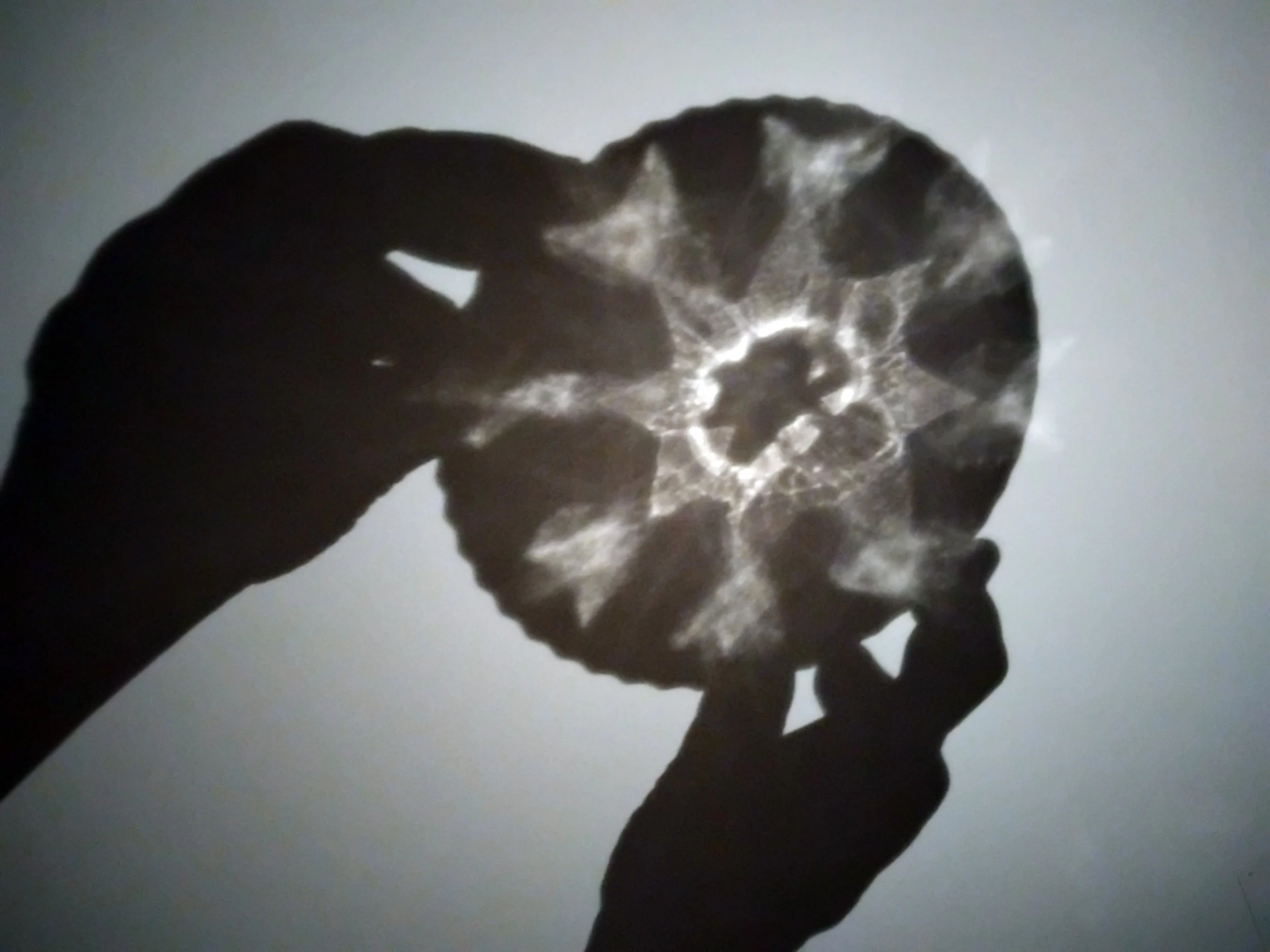
What the Stars Remember Chamber Made Image: Julia Drouhin
What the Stars Remember at Chamber Made’s Orange House Residency
Written by Second Echo Ensemble, with reflections from Elise Romaszko and Julia Drouhin
For three weeks on the Mornington Peninsula in regional Victoria, What the Stars Remember left its familiar orbit.
Elise Romaszko and Julia Drouhin arrived at Chamber Made’s Orange House Residency with a work already full of memory, sound and questions.
They did not go there to finish it. They went to listen for what it might become.
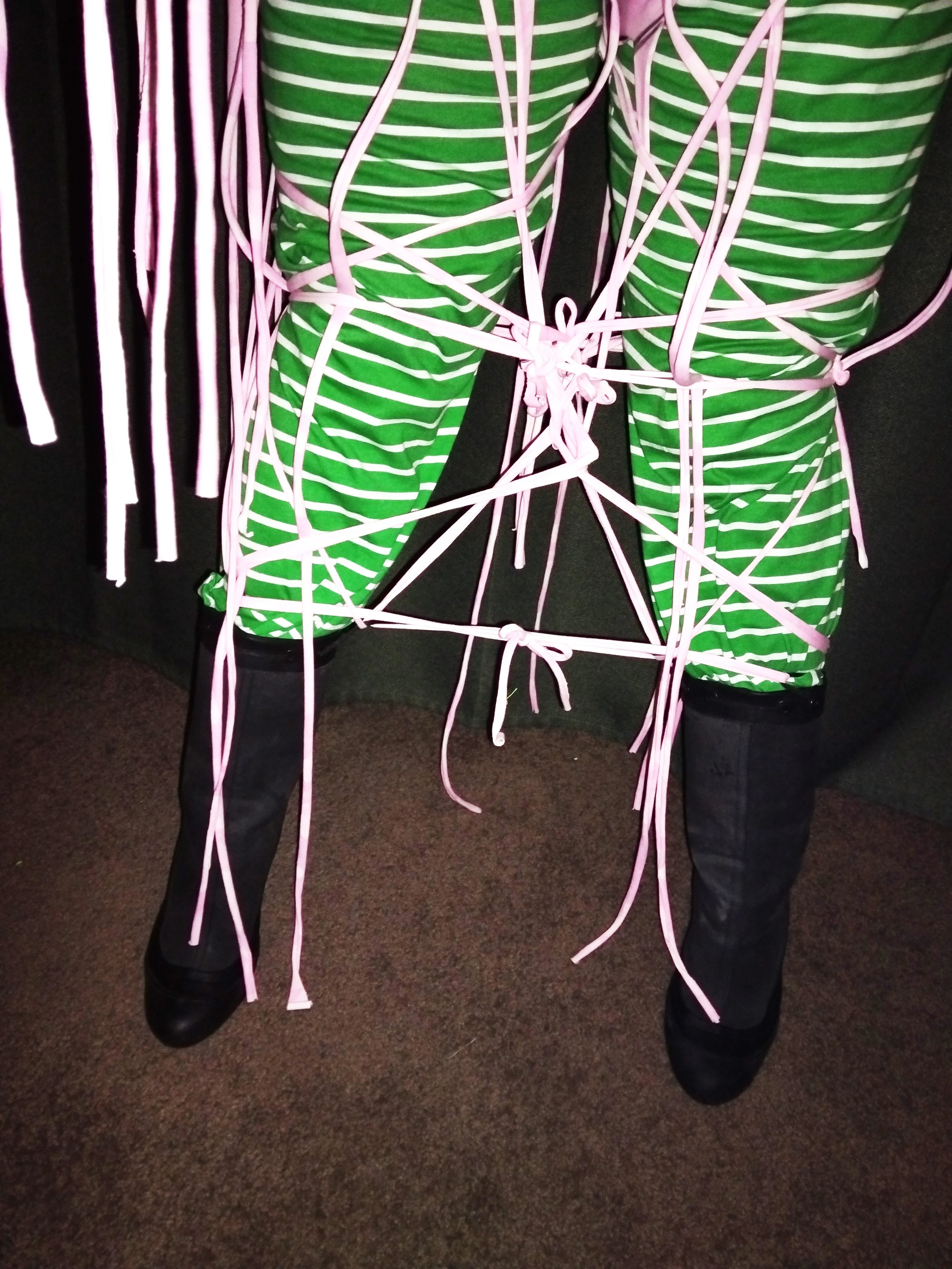
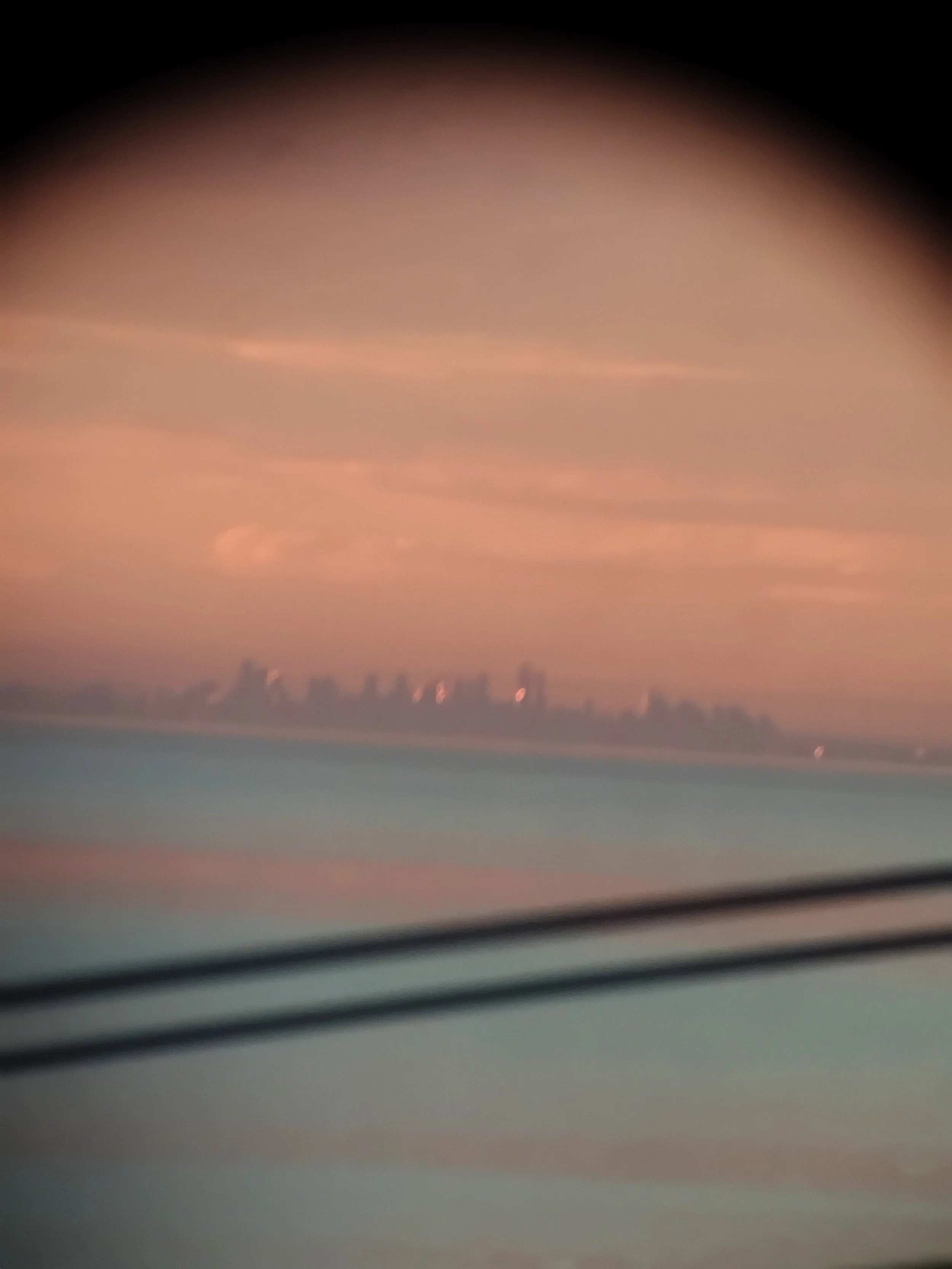
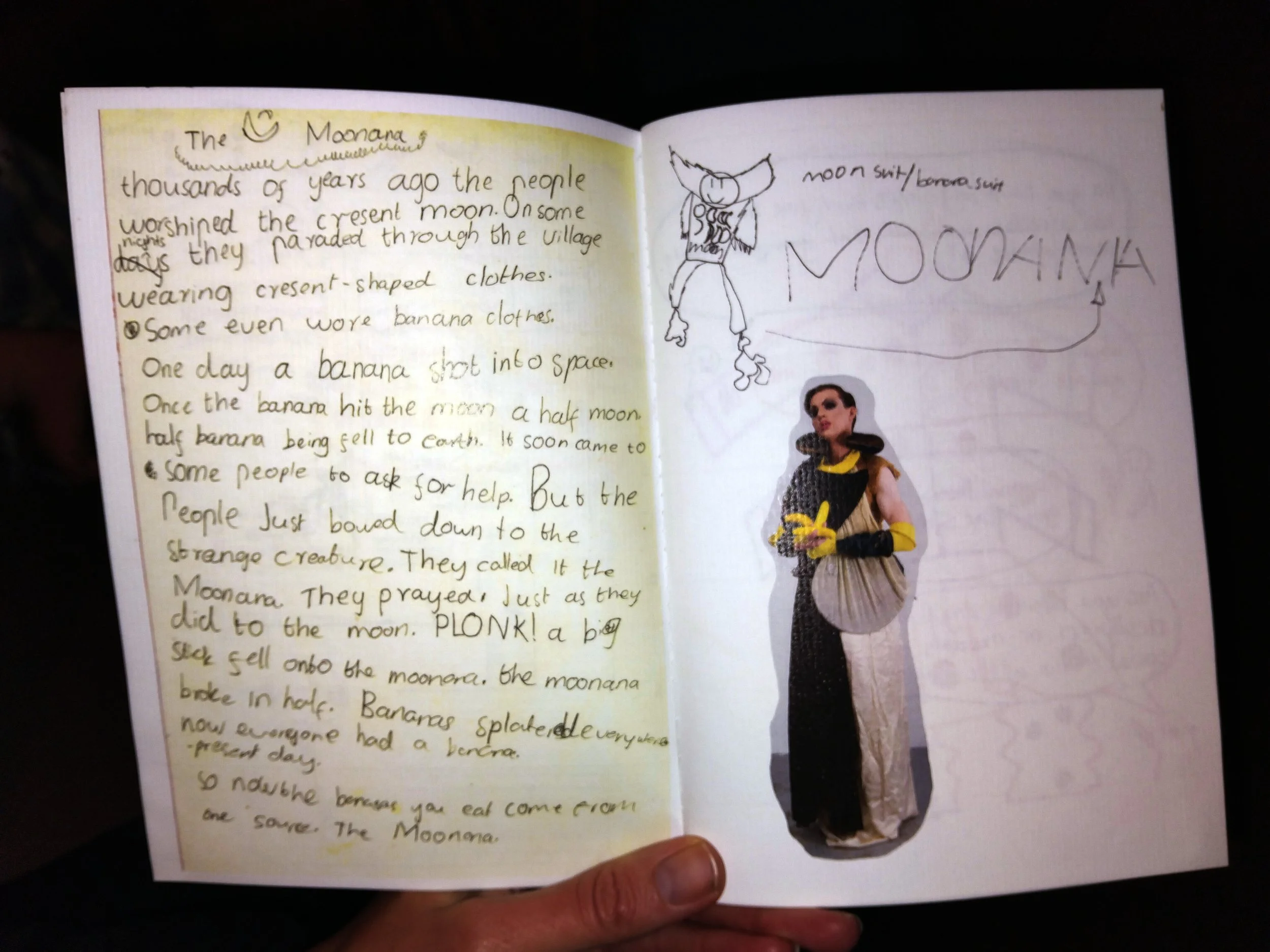
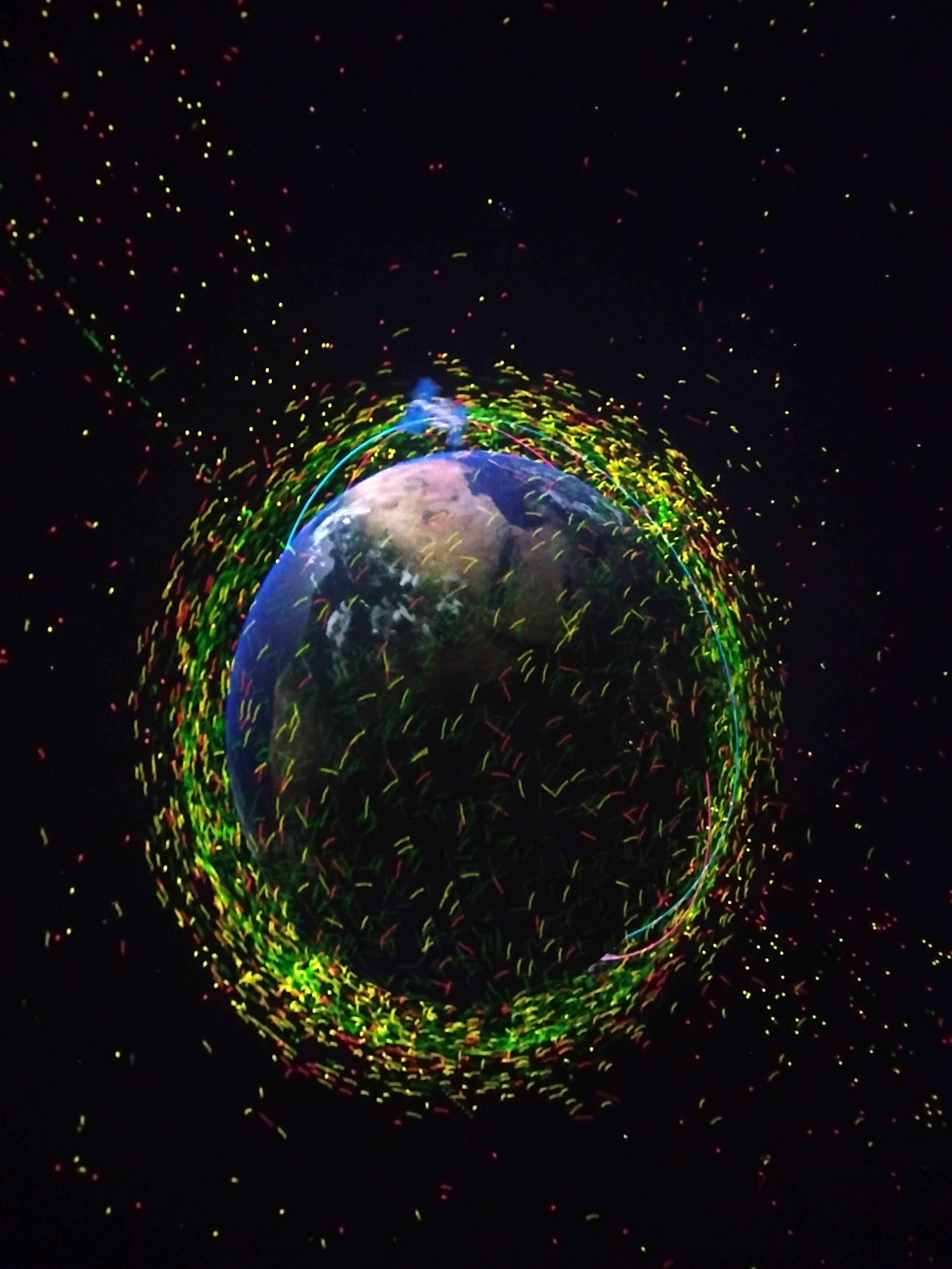
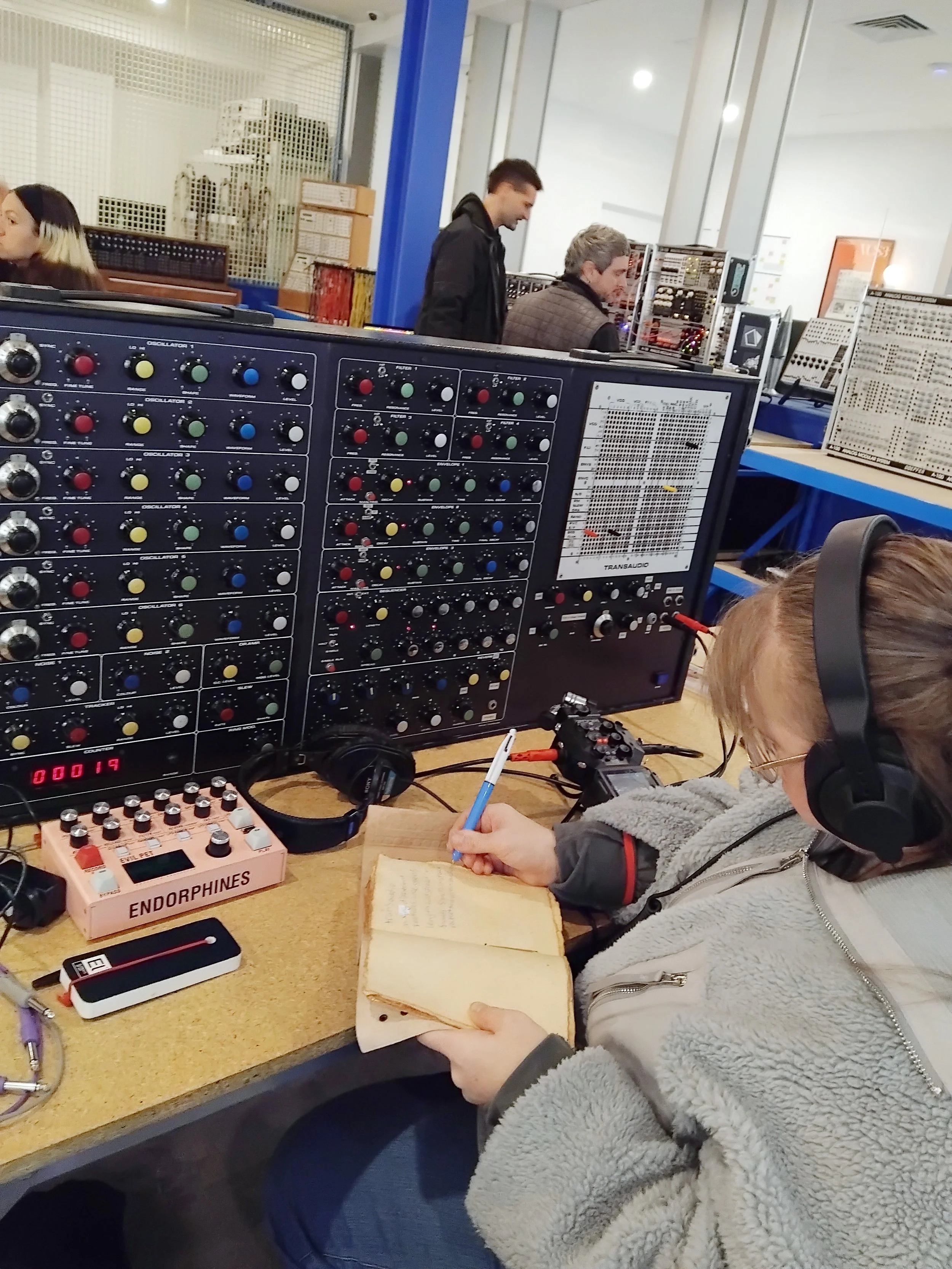
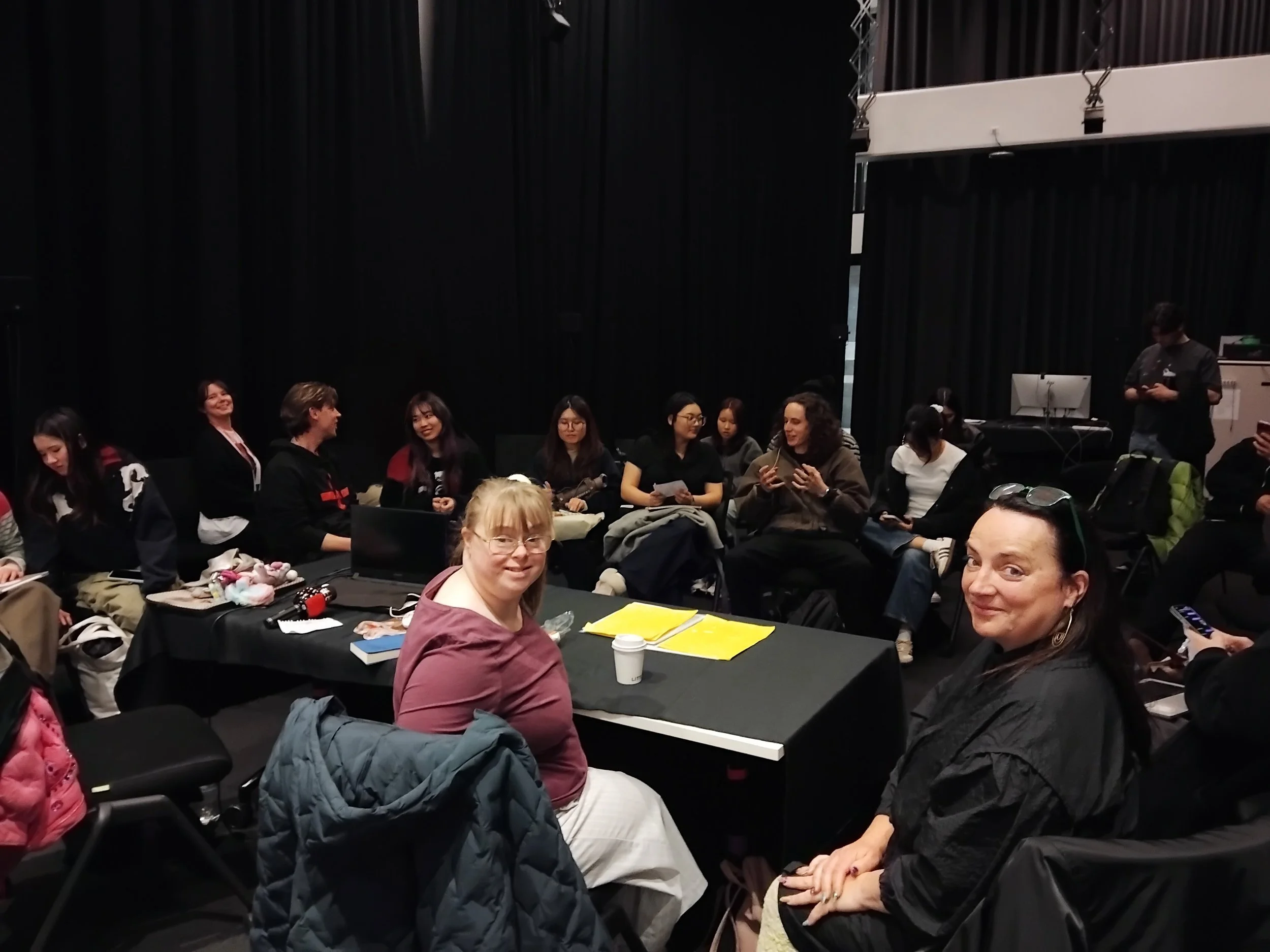
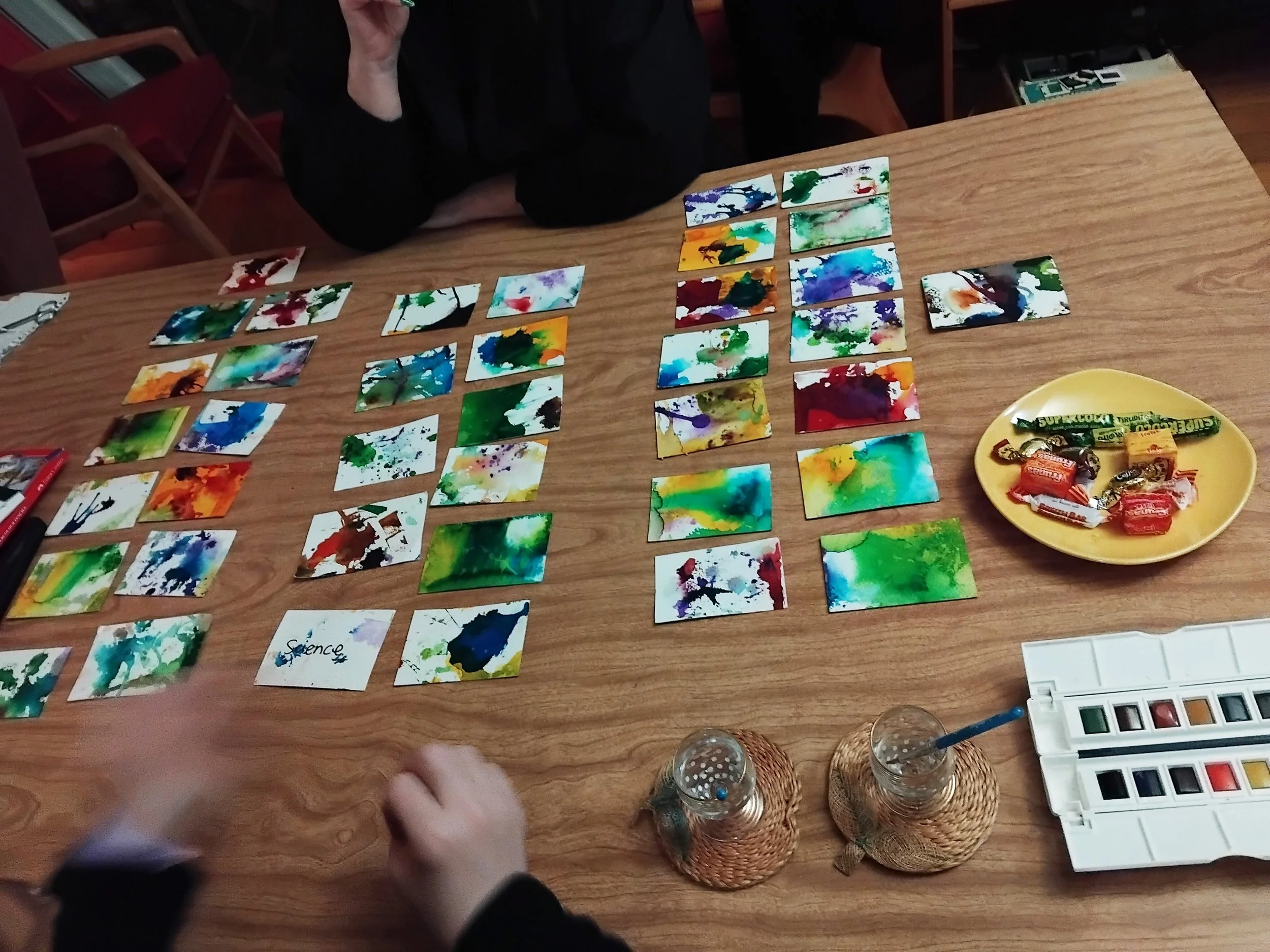
The residency carried them through RMIT University, Melbourne Electronic Sound Studio (MESS) at Fed Square, Melbourne Planetarium and Kindred Studios. They met artists and students, shared the project through an RMIT artist talk, worked with artist and mentor, Lichen Kelp and tested ideas through live performance.
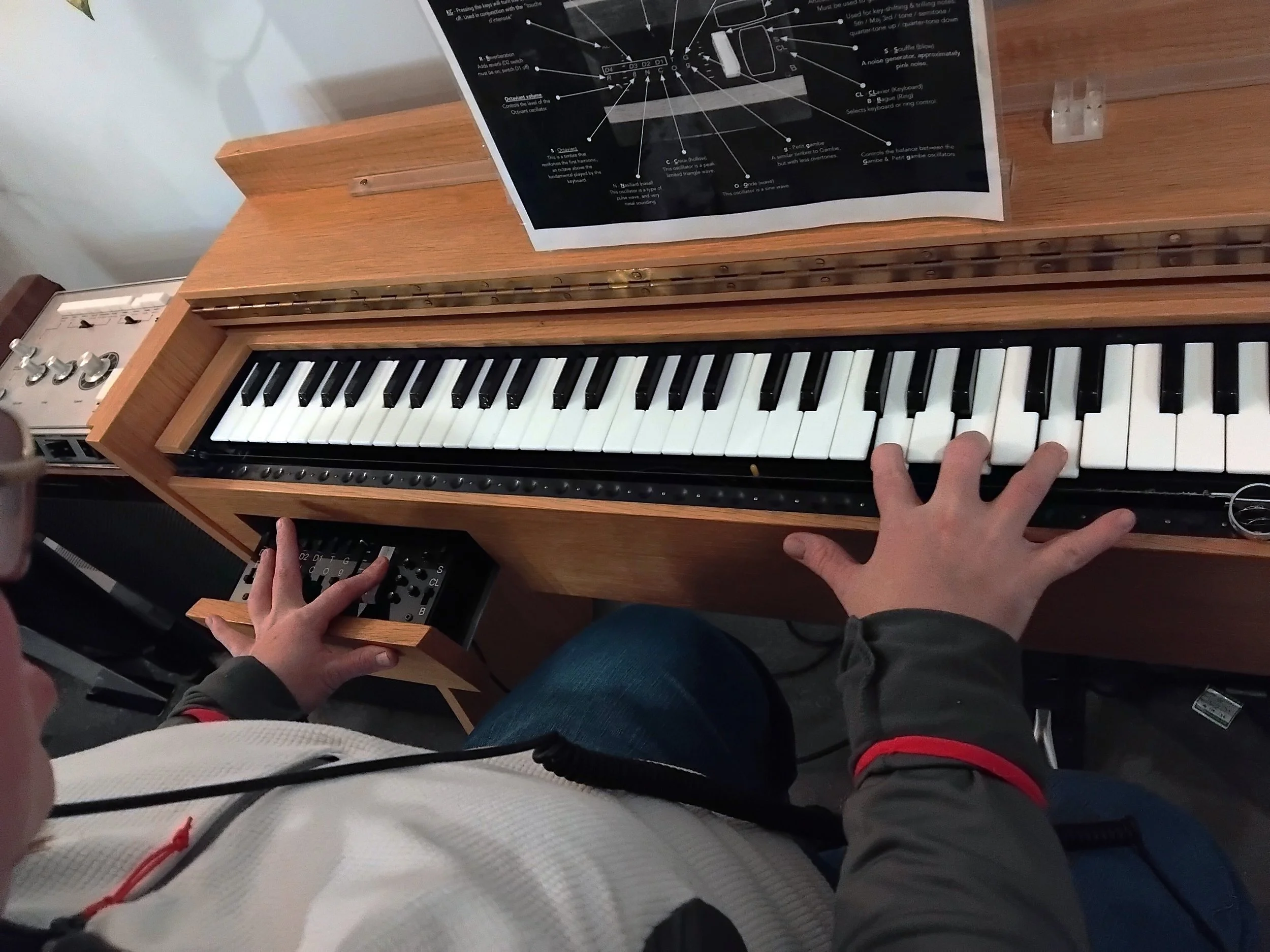
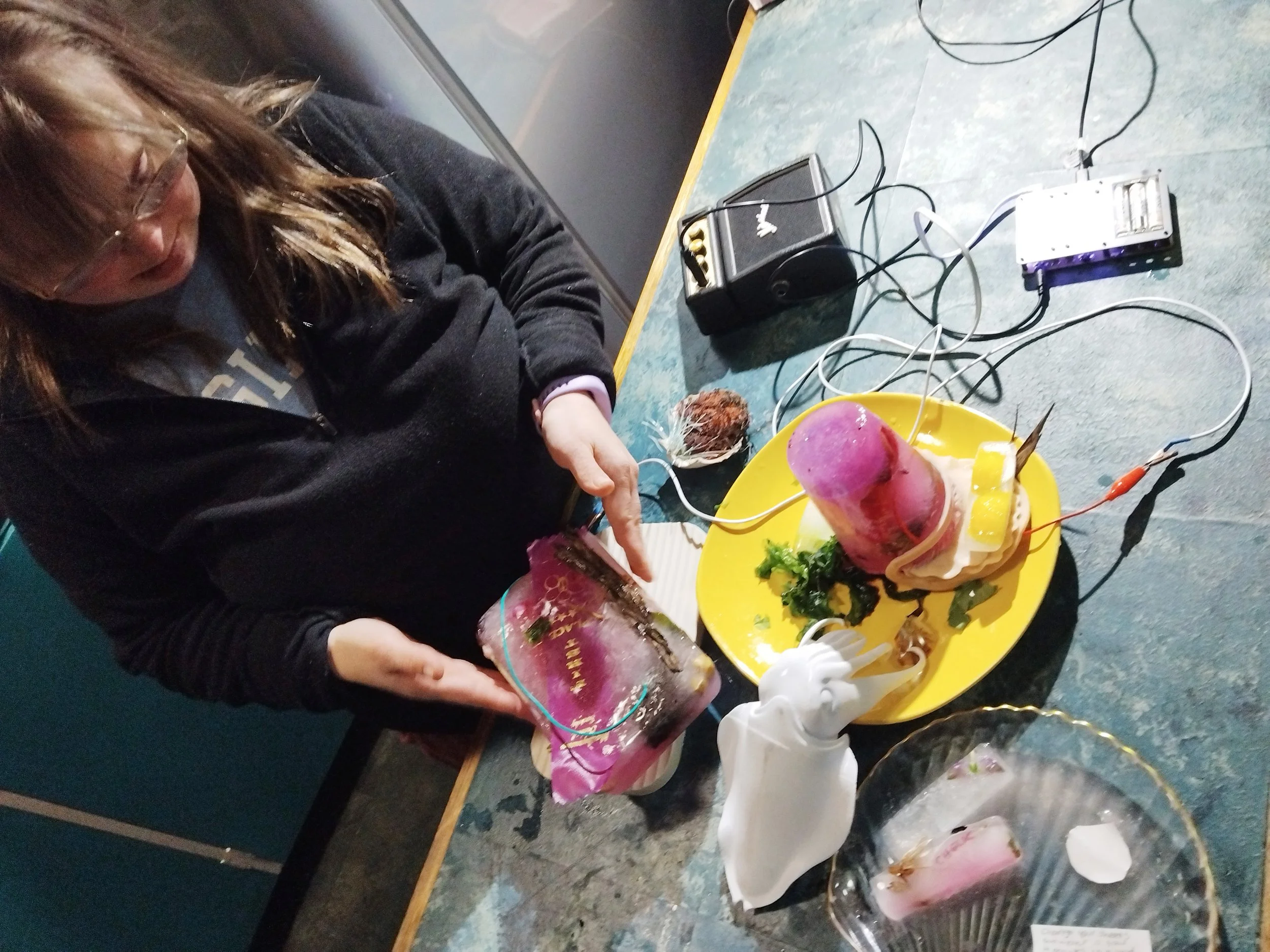
At MESS, electronic instruments, signals and unfamiliar sounds opened another dimension of the project. Sound was no longer only something to hear. It became a material, an atmosphere and a place an audience might enter.
What the Stars Remember Chamber Made Image: Julia Drouhin
Then the research moved into water.
With Lichen Kelp, ice became a possible instrument. It could melt, drip, crack and change its sound while it disappeared. An underwater ultraviolet torch transformed seaweed into an alien landscape.
Ordinary matter became strange. The familiar world tilted.
The Melbourne Planetarium offered another kind of universe, but its enclosed form also sharpened a question for Elise. Did this work need to remain inside a room?
Elise returned from the residency with a different approach, opening her mind, her eyes and her listening to the possibility that What the Stars Remember might move outdoors.
In their recorded conversation, Julia returned to the value of not knowing the outcome too soon.
The residency gave them time to follow ideas that excited both of them. They could experiment with sound, light and projection, explain the project aloud and notice what changed when other people entered the conversation.
Feedback did not pin the project down. It made the constellation larger.
For Elise, one of the most important discoveries was what happened when people understood that What the Stars Remember was. People became curious. They asked what it was about and how they might be included.
That curiosity became creative momentum.
The work began to feel more public and more porous. It might live inside a performance space, but it might also gather people outdoors. It might be something audiences watch or something they help activate through sound, movement and memory.
The residency also made the practical architecture of creative opportunity impossible to ignore.
Taking part in an interstate residency required accommodation, transport, assistance and the cost of attending public events. Inside each venue, access lived in the details: stairs, tight corners, slippery floors and whether support was available when it was needed.
Elise’s advice to other artists considering a residency is direct: “Having assistance can help.”
Artists should also be able to ask clear questions about the location before they arrive. A creative door is only open when the artist can actually move through it.
Elise returned home with more confidence, more questions and a project still in motion. The residency helped her move beyond her comfort zone without taking the ownership of the work away from her.
As she wrote in her reflections:
“It is alive and continues on.”
What the Stars Remember did not return with a fixed answer. It returned with new ways of listening.
About The Orange House Residency
The Orange House Residency is a program supporting mid-career women and gender-diverse artists working at the intersections of performance, sound and music. The residency provides dedicated time and space for practice development without the pressure of predetermined outcomes.
This project has received support from Clarence City Council, Performing Lines Tasmania and Ten Days on the Island Festival and the Confederation of Australian International Arts Festivals.