Beyond Inclusion: A Vision for Cultural Leadership
Hi, my name is Elise Romaszko. I am a disabled artist, performer, mentor and director working with Second Echo Ensemble in Tasmania. I am writing from a regional community where disabled artists are often left off the map, even though we are already making important cultural work. I have also spent time speaking with artists and arts workers at Second Echo Ensemble, listening to our independent artists, and asking these same questions of our peers. I want to help carry those voices into this process.
Revive matters. It has helped make arts and culture visible again. It has recognised artists as workers and created Equity: the Arts and Disability Associated Plan, which is important because it finally names d/Deaf and disabled artists, arts workers and audiences within national policy. That work needs to continue.
But I believe the next National Cultural Policy needs to go further.
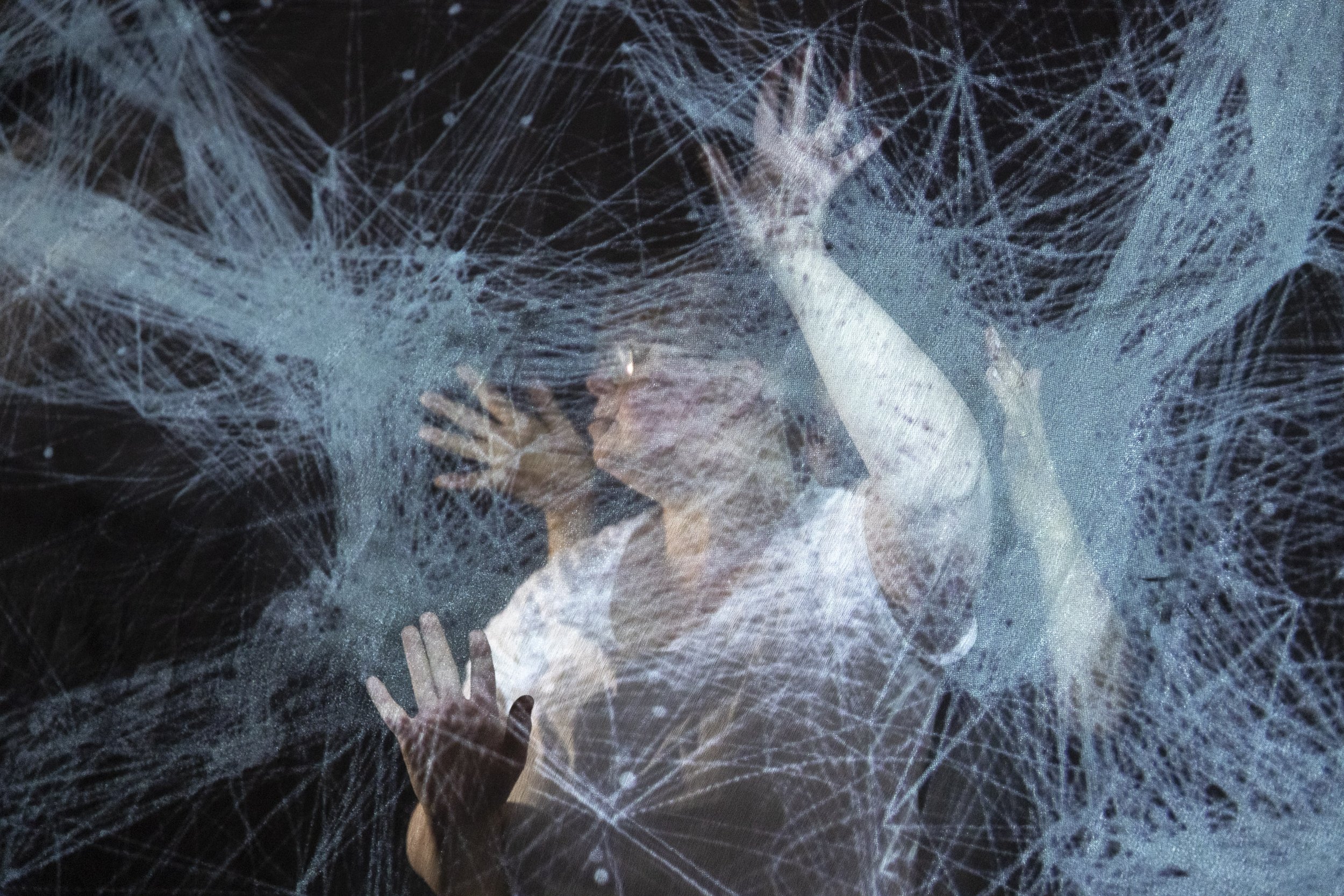
SEE artist Elise Romaszko in the development of What the Stars Remember. Photo by Laura Purcell
The biggest problem is that disability arts is still too often understood through inclusion, participation or support, rather than as artistic practice and cultural leadership. Disabled artists are frequently invited into existing systems, but those systems are still not designed with us in mind.
Access is still treated as something added at the end. It is often inconsistent, underfunded and dependent on goodwill. Disabled artists are still expected to carry the extra labour of explaining our needs, adapting ourselves to inaccessible systems, and proving our value again and again.
This creates a ceiling on ambition.
Community-led and disability-led work is often funded as “community” rather than recognised as artistic practice with depth, complexity and national significance. Many disabled artists remain visible, but not powerful. Included, but not leading.
To address this, I believe the next policy should embed access across the whole cultural system, not only within disability-specific programs.
Access should be understood as creative infrastructure and a design principle. It should shape how work is funded, made, rehearsed, presented and experienced from the beginning.
This includes:
access costs built into funding by default
more disabled artists in leadership and assessment roles
flexible timelines and application processes
long-term investment in relational and community-led practice
stronger support for regional disabled artists
recognition of Community Arts and Cultural Development as a skilled artistic methodology, not outreach
I also believe the policy needs to think less in categories and more in ecosystems.
Revive talks about five pillars, but culture does not really work in pillars. Culture is relational. Artists move across communities, artforms, identities and places. Disabled artists can also be First Nations artists, regional artists, migrant artists, queer artists, carers, parents and community leaders. People do not live in neat boxes.
The future of cultural policy should be about radical equity. Not just asking who gets to enter the room, but who gets to shape it.
Disabled artists are not waiting to be included in culture.
We are already making it.
The question now is whether national policy will recognise that leadership, resource it properly, and allow it to reshape the cultural system itself.
Between 23 March 2026 and 24 May 2026, Australians were invited to share their views and help guide the next National Cultural Policy. Public submissions, including this one can be viewed here.
Read the full submissions from Second Echo Ensemble and Kelly Drummond Cawthon.